
Independent refractive reference · Jakarta
Corrective laser surgery, compared properly
A working guide to the modern refractive toolkit — SMILE, SMILE Pro, FS-LASIK, TransPRK and phakic IOL — written for patients in Indonesia who want to know what each option actually changes, and which questions to bring to a consultation.
The ranges above are broad orientation only. Suitability depends on your corneal map, tear film, pupil size and prescription stability, and is decided in person after a full refractive workup.
What this guide is
Six chapters of refractive surgery, explained without the sales language
Perspective Core Hub is an independent editorial resource. It does not book procedures and it does not rank clinics. It gathers what is publicly known about today's laser platforms and phakic lenses, puts the differences side by side, and explains the trade-offs in plain language so a consultation becomes a conversation between equals rather than a pitch.
Everything here is written for readers in Indonesia, where clinic equipment varies widely and where the same procedure name can mean quite different technology depending on the room it is performed in.
Start with the landscape
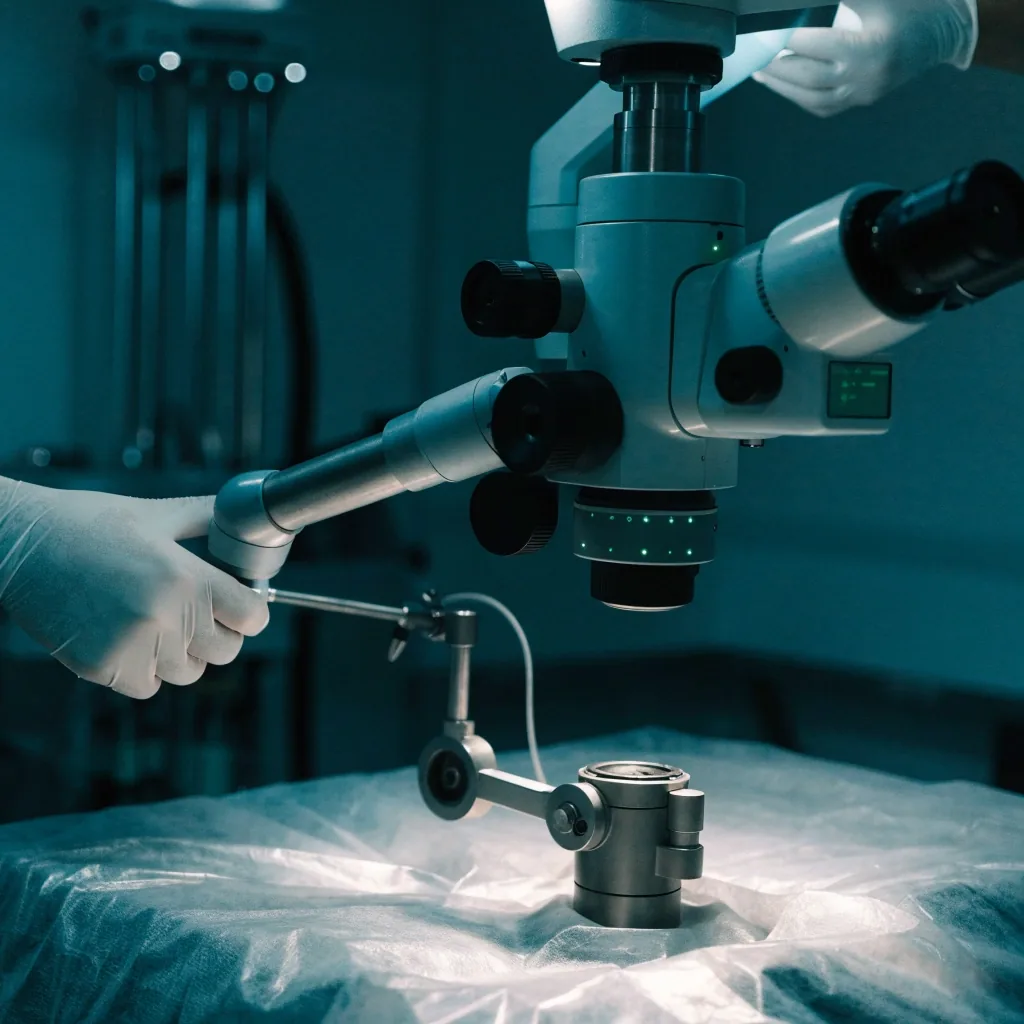
Before comparing procedures it helps to know what the hardware actually does. The technology chapter walks through the femtosecond lasers that shape the cornea, the excimer systems that remodel it, the eye-tracking and wavefront systems that guide the beam, and the phakic lens designs that leave the cornea untouched. Each platform is described by the problem it was built to solve, not by a brand slogan.
The measurement decides more than the laser
Two patients with the same prescription can walk away with different advice, and that is usually correct. Corneal thickness, the shape of the corneal map, tear film quality, pupil size in low light and how stable the prescription has been over the past two years all narrow the field before a single platform is chosen. A clinic that measures carefully will sometimes tell you that laser surgery is the wrong answer for now — and that is information worth having.
This guide treats the workup as the centre of the story. Chapters on suitability, outcomes and ocular surface recovery explain what each measurement is for and what a borderline result usually means.
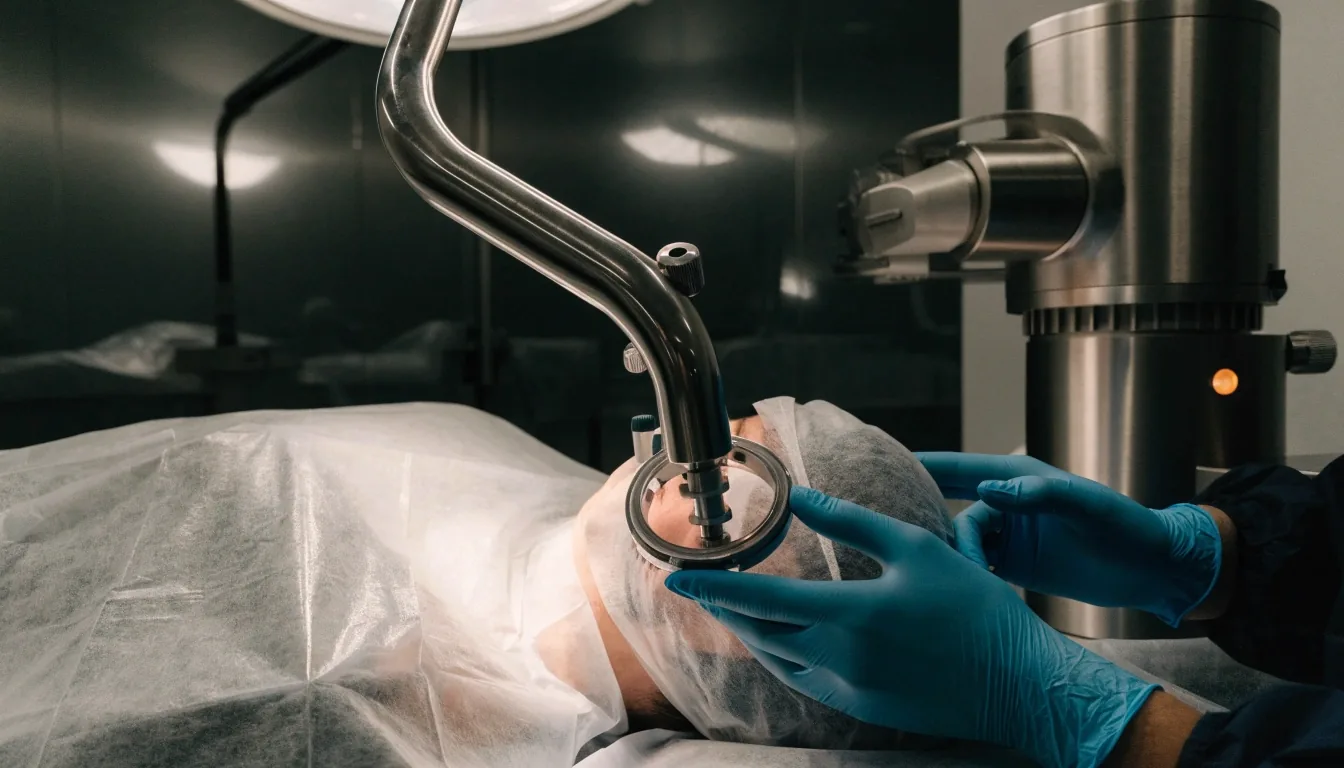
Inside the platform rooms
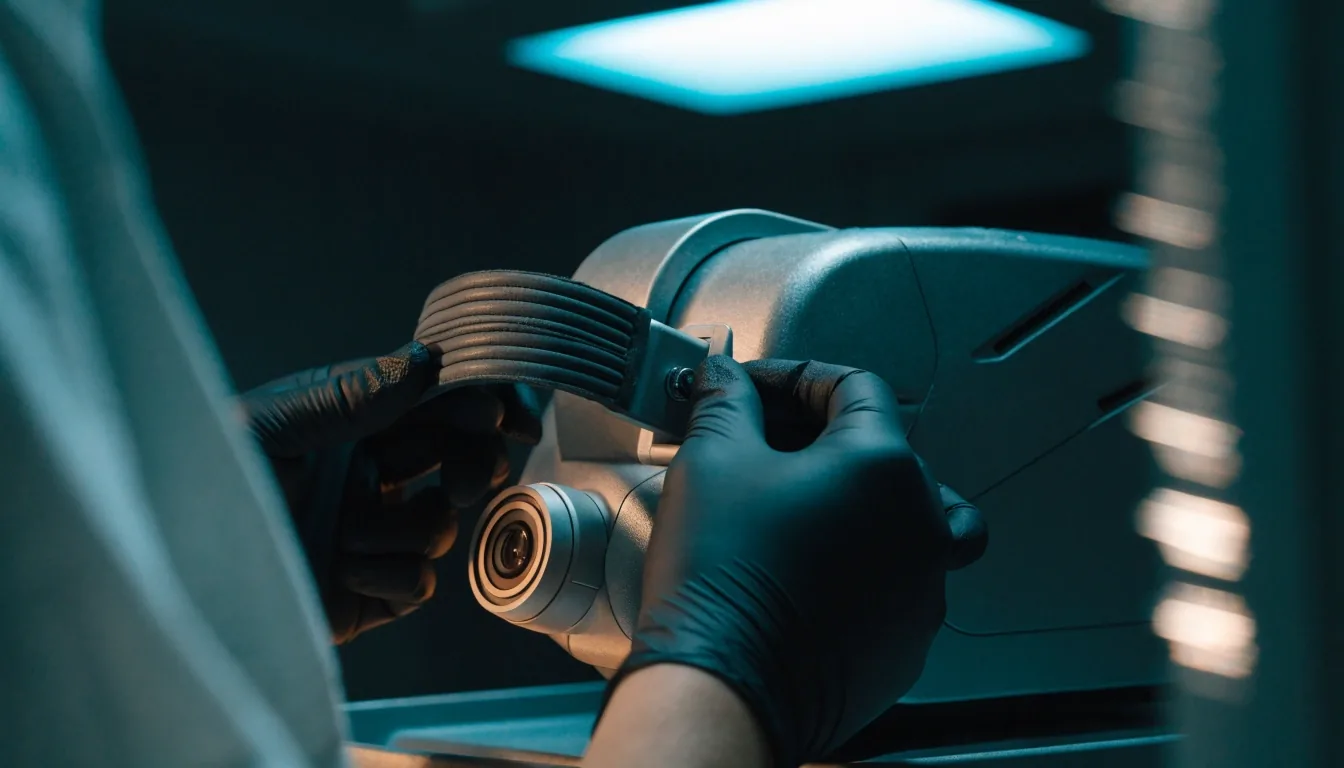
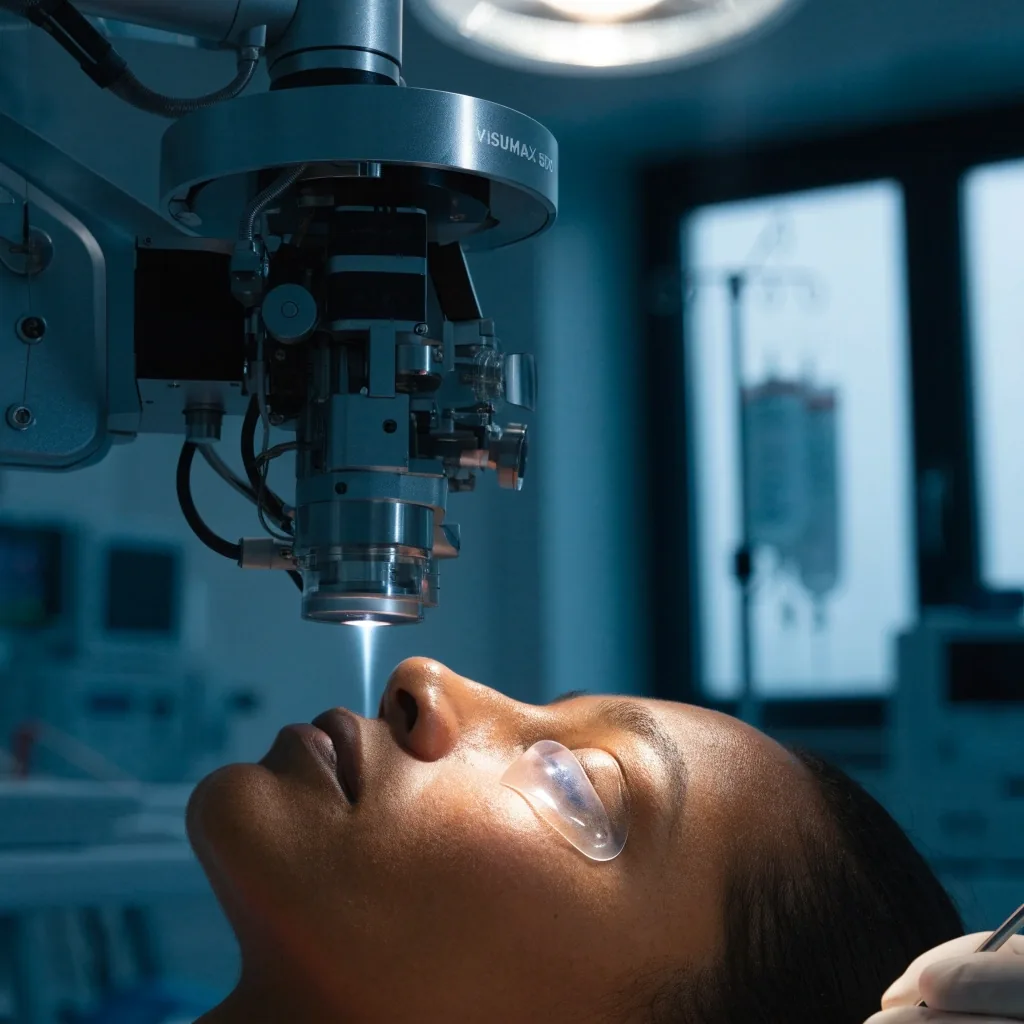
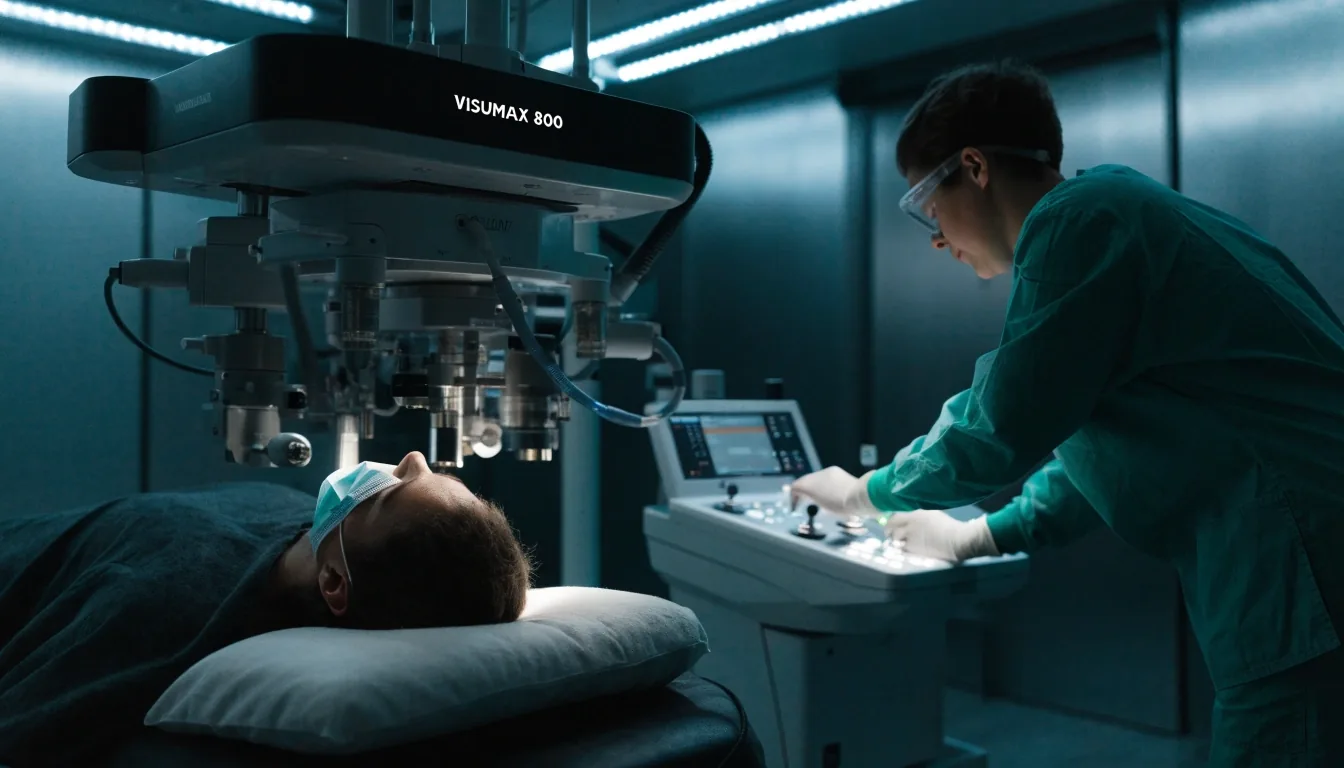
Five details from the equipment and the room around it — the part of refractive surgery most brochures leave out.


Read the guide in the order that fits you
The chapters are written to stand alone. If you already know the platform names, skip ahead to the comparison. If you are at the start, the landscape is the friendlier entry point.
- Chapter 01 Technology Landscape What femtosecond, excimer, eye-tracking and phakic lens platforms each do, and where their limits sit. Good first stop if the procedure names are still new to you.
- Chapter 02 Procedure Comparison SMILE Pro, FS-LASIK, TransPRK and phakic IOL placed side by side on the points that change your experience. Use this before a consultation to build your shortlist.
- Chapter 03 Outcomes & Predictability How accuracy is measured, which factors drive variation, and what realistic expectations look like over time. Read after the comparison to understand the spread.
- Chapter 04 Ocular Surface & Recovery Tear film, dryness and the first weeks after treatment — what happens, what is normal, and what to report. Essential reading if you spend long hours on screens.
- Chapter 05 Patient Suitability Guide Age, prescription stability, corneal measurements and lifestyle factors that narrow or widen your options. Bring this list with you to your first appointment.
- About this site Who writes Perspective Core Hub How the material is researched, what the editorial standard is, and how corrections are handled. Read this if you want to know how the guide is put together.
What to check before you choose a clinic
Procedure names travel further than equipment does. If you are comparing two clinics in Jakarta, Surabaya or Bandung, ask which platform will actually be used on your eye, who performs the measurement, and what happens if the first plan turns out to be unsuitable. Concrete answers here tell you more than any marketing page.
Suitability guideNamed platform
Ask for the specific laser or lens model in writing. Generic phrases like modern laser technology do not tell you what will touch your cornea.
Full diagnostic workup
A proper assessment includes corneal topography, pachymetry, wavefront or aberrometry, tear film evaluation and a dilated retinal check. If it is compressed into a few minutes, ask why.
A plan for the follow-up
Recovery care, review appointments and who to call if something feels wrong in the first month should all be explained before treatment day, not after.
Written cost scope
Confirm what the quoted figure covers — diagnostics, the procedure itself, medications and every follow-up visit — and what would be charged separately if your case turns out to be more complex.
Read the complexity before you agree to the price
Refractive surgery is not one product with one price. A thin cornea, a high astigmatism component, a history of dry eye or an unstable prescription each change which platform is appropriate and how much chair time the workup needs. Clinics that quote a flat number before measuring anything are quoting a different patient, not you. The outcomes chapter explains how accuracy gets discussed honestly, including where the limits are.
Questions readers send most often
Can I rely on this guide instead of visiting a clinic?
No. This resource explains how the field works and what the differences between platforms mean, but it cannot see your cornea. Suitability is decided by a full workup and a conversation with a refractive surgeon who has your measurements in front of them.
Is one platform better than the others?
Each platform solves a different problem. SMILE Pro and FS-LASIK reshape the cornea and suit many routine prescriptions; TransPRK avoids a flap and is often considered when the cornea is thinner; phakic lenses leave the cornea alone and are used for higher prescriptions. Which is appropriate depends on your measurements, not on the newest model.
Does a higher price mean a better result?
Not by itself. Price usually reflects the platform, the surgeon's volume and what is bundled into the follow-up. What matters is whether the quote matches your actual case and what is included afterwards. Ask for the scope in writing and compare it against the list in the section above.
What about recovery and screen work?
Tear film quality and surface treatment shape how the first weeks feel, and people who spend long hours on screens often notice dryness more. The ocular surface and recovery chapter covers the practical routines, when to rest your eyes and what symptoms should prompt a call to your clinic.
Where can I send a correction or a question?
Use the contact page. If a chapter is unclear, if a fact needs updating, or if you would like a topic added, that is the right place. Messages are read during working hours, Monday to Friday 09:00–18:00 and Saturday 09:00–13:00.
Get in touch with the editorial team
Perspective Core Hub is an editorial resource, not a clinic, and it does not arrange treatments. If you have a question about something you have read here, want to suggest a comparison we have missed, or need to flag an outdated detail, write to us and we will look into it.
- Postal address
- Jl. Cikini Raya No. 58, Menteng, Jakarta Pusat, DKI Jakarta 10330, Indonesia
- Telephone
- +62 21 5189 4276
- [email protected]
- Working hours
- Monday to Friday, 09:00–18:00 · Saturday, 09:00–13:00
Start with the comparison
If you are shortlisting procedures before a consultation, the comparison chapter is the fastest route in. It sets SMILE Pro, FS-LASIK, TransPRK and phakic IOL against each other on the points patients ask about most.
This site provides general educational information about refractive procedures. It is not medical advice and does not replace an examination by a qualified ophthalmologist.